TSBA Panels – Premium Performance, 30-Year Insurance, Maximum Savings
Learn about our best-in-class solar panels
- Premium Quality & Performance
- Backed by Munich RE Insurance for 30 years
- Higher Energy Yield (Outperform Standard Panels)
- Strong Warranties
- Future-Proof Your Energy Costs
Our Accreditations




Unlock clean energy for life
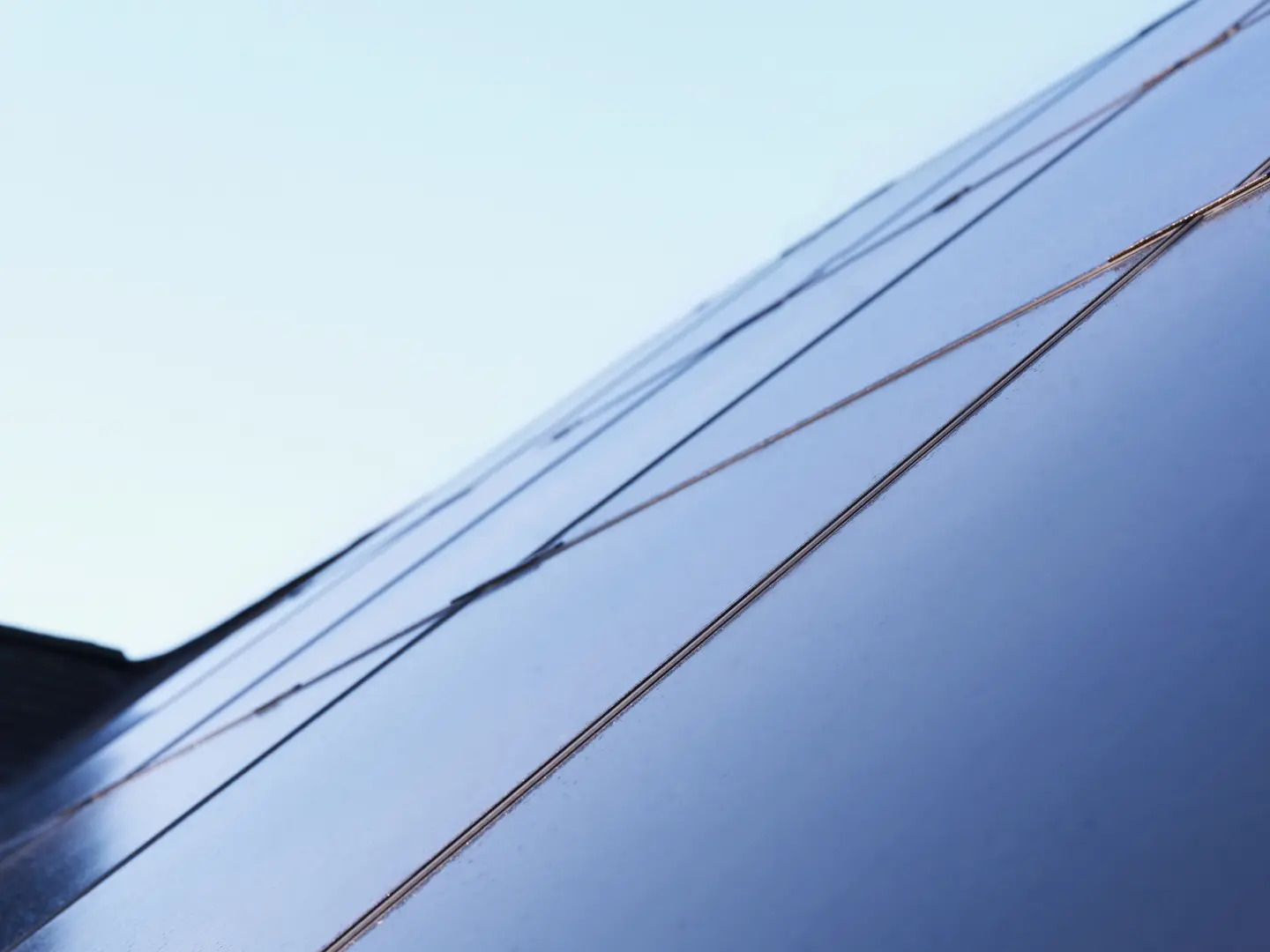
Cleaner, abundant power
By generating your own affordable energy with solar panels, you can power your home and take control over your energy bills while reducing dependence on fossil fuels and the traditional utility grid.
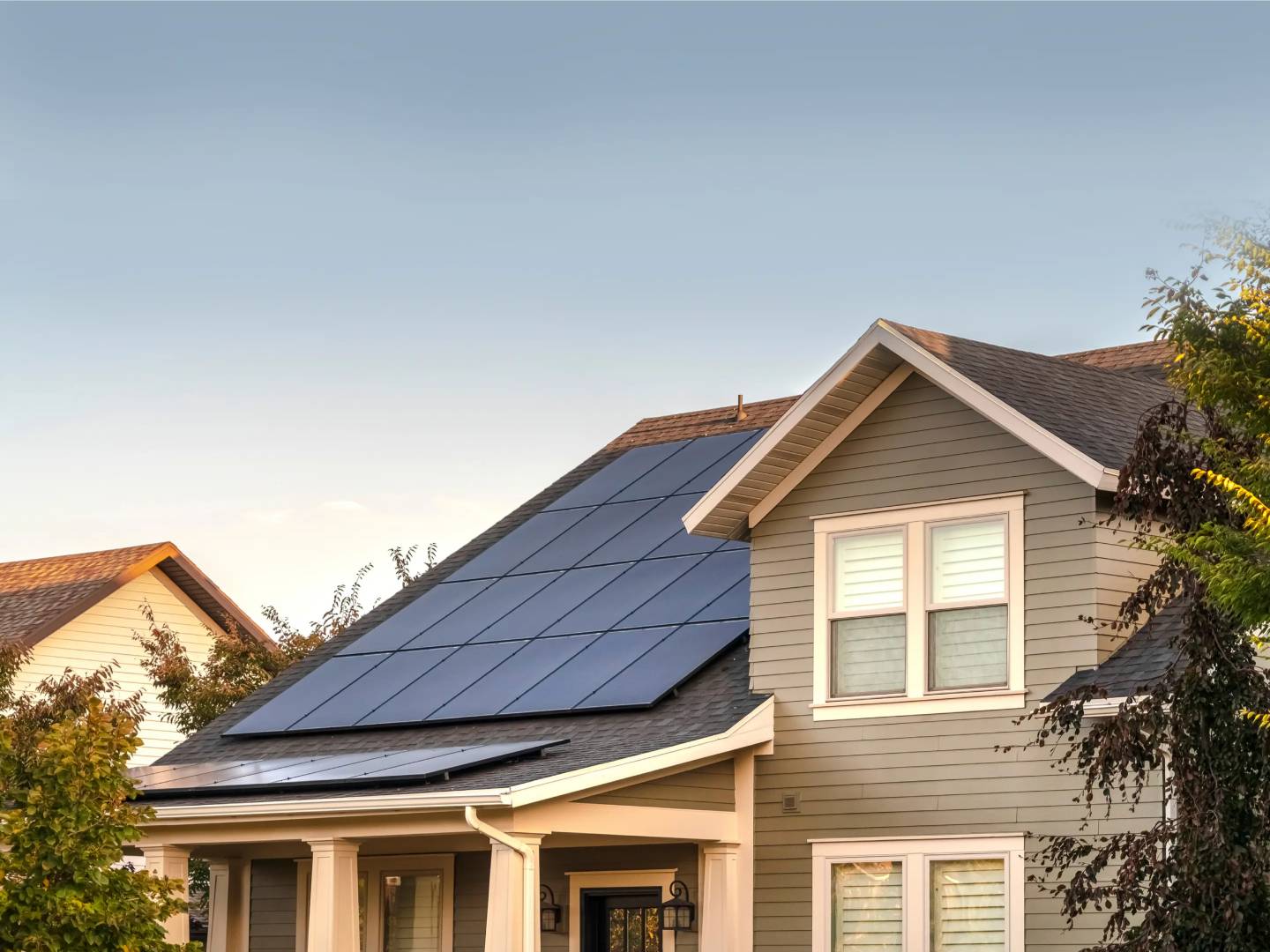
Solar panels for every budget
We offer several home solar energy plans to help you start your solar journey. Find the ideal fit for your budget and solar energy needs.
Customized solar panels for your home
At TSBA, our experts design the configuration of your solar panels to maximize your home's energy output and aesthetics, so your solar panels are efficient and look great.
Easy Process. Better Technology. Happy Customers.

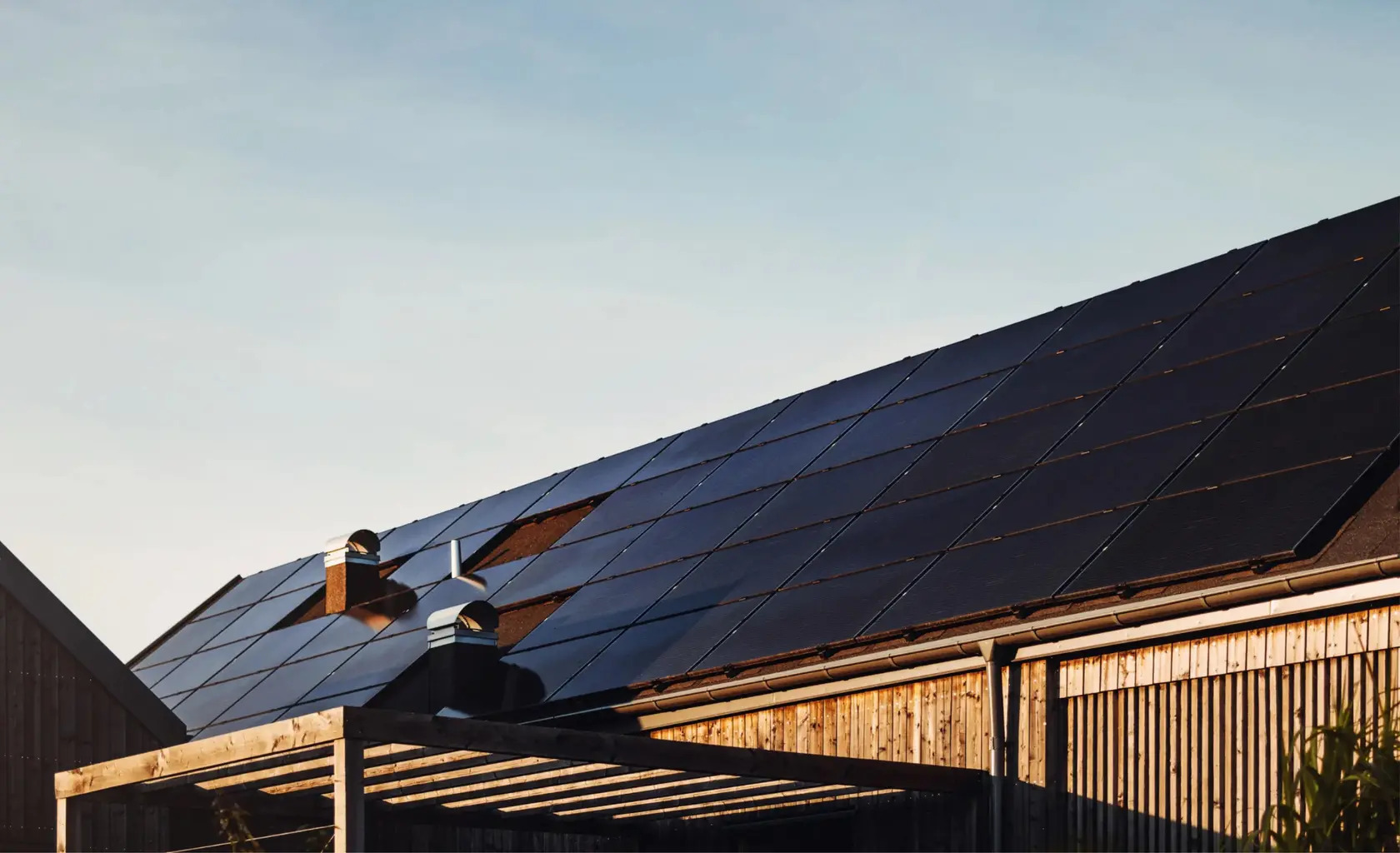
Premium solar panels
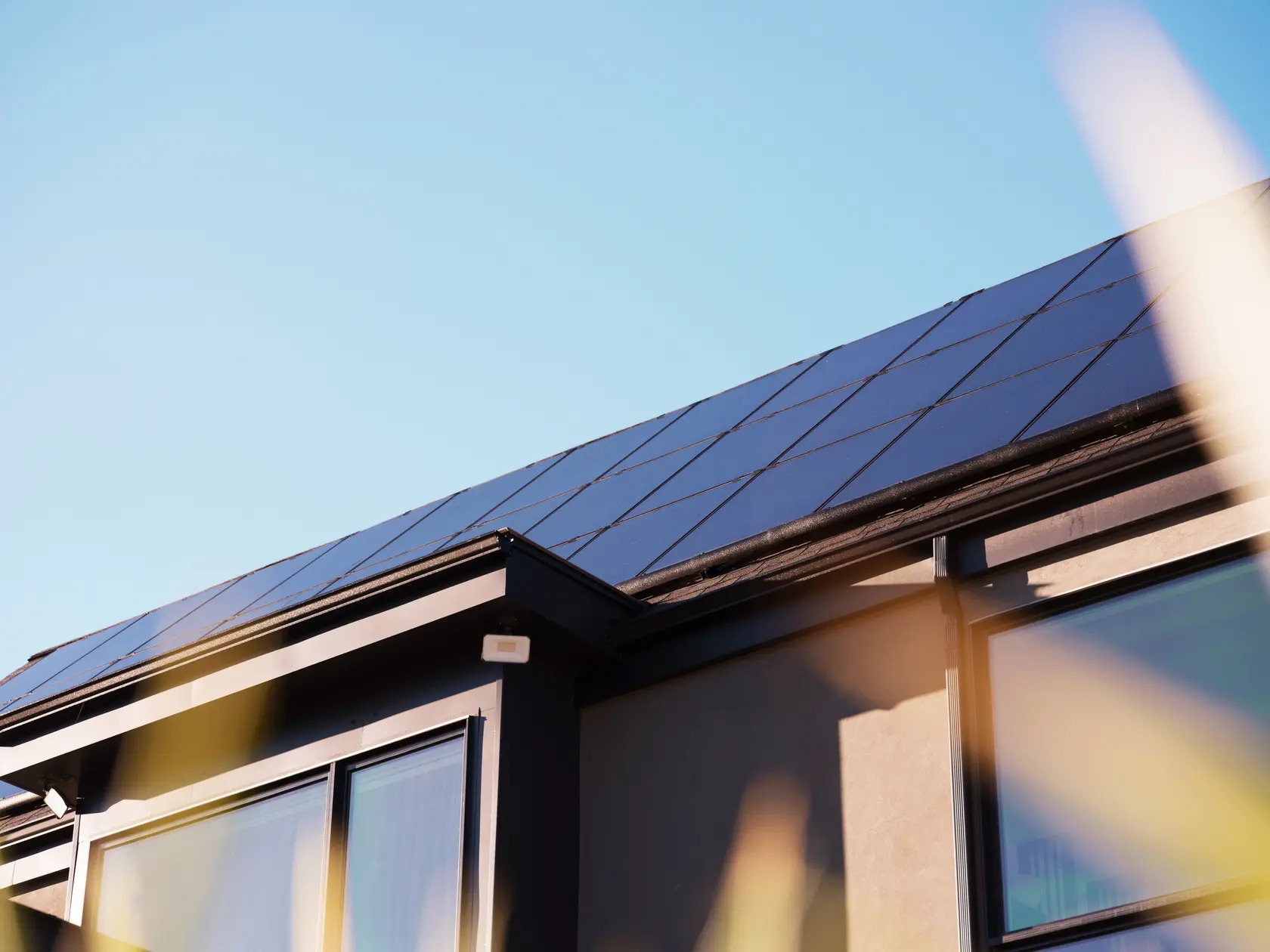
Our solar panels feature high-efficiency photovoltaic cells, ensuring maximum solar energy capture. Each solar panel is crafted for durability, clean aesthetics and energy efficiency—built to withstand the harshest weather conditions.
Any decision is only as good as the facts! Fill out the 10-second form to see if you qualify for the government solar program.
We provide a free consultation and a system design tailored to your energy needs.
All fields are required.
Have Questions? Talk to one of our experts
Harness the power of solar with battery storage
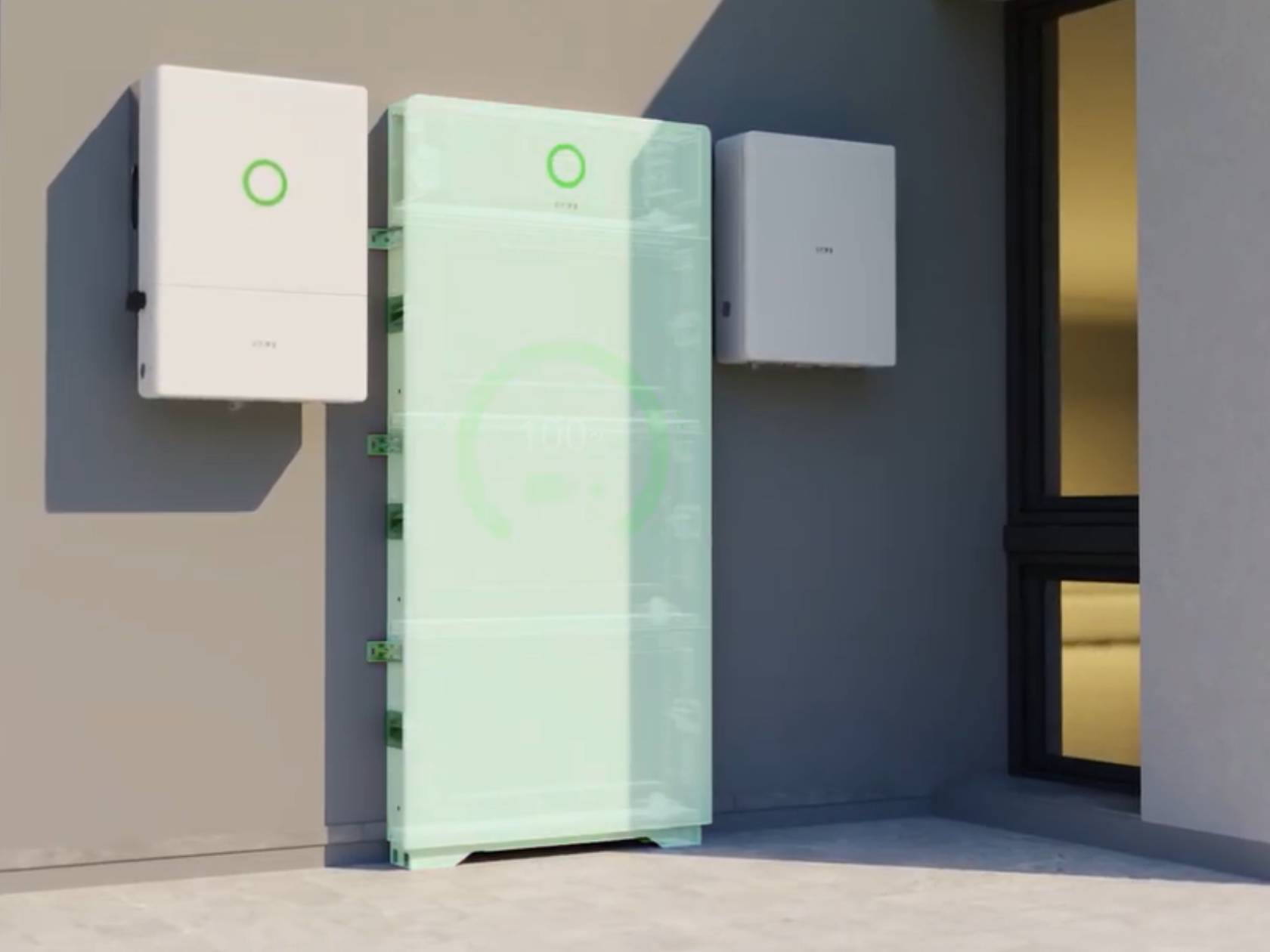
Protected power
Keep the lights on, protect your family, and secure your home during outages
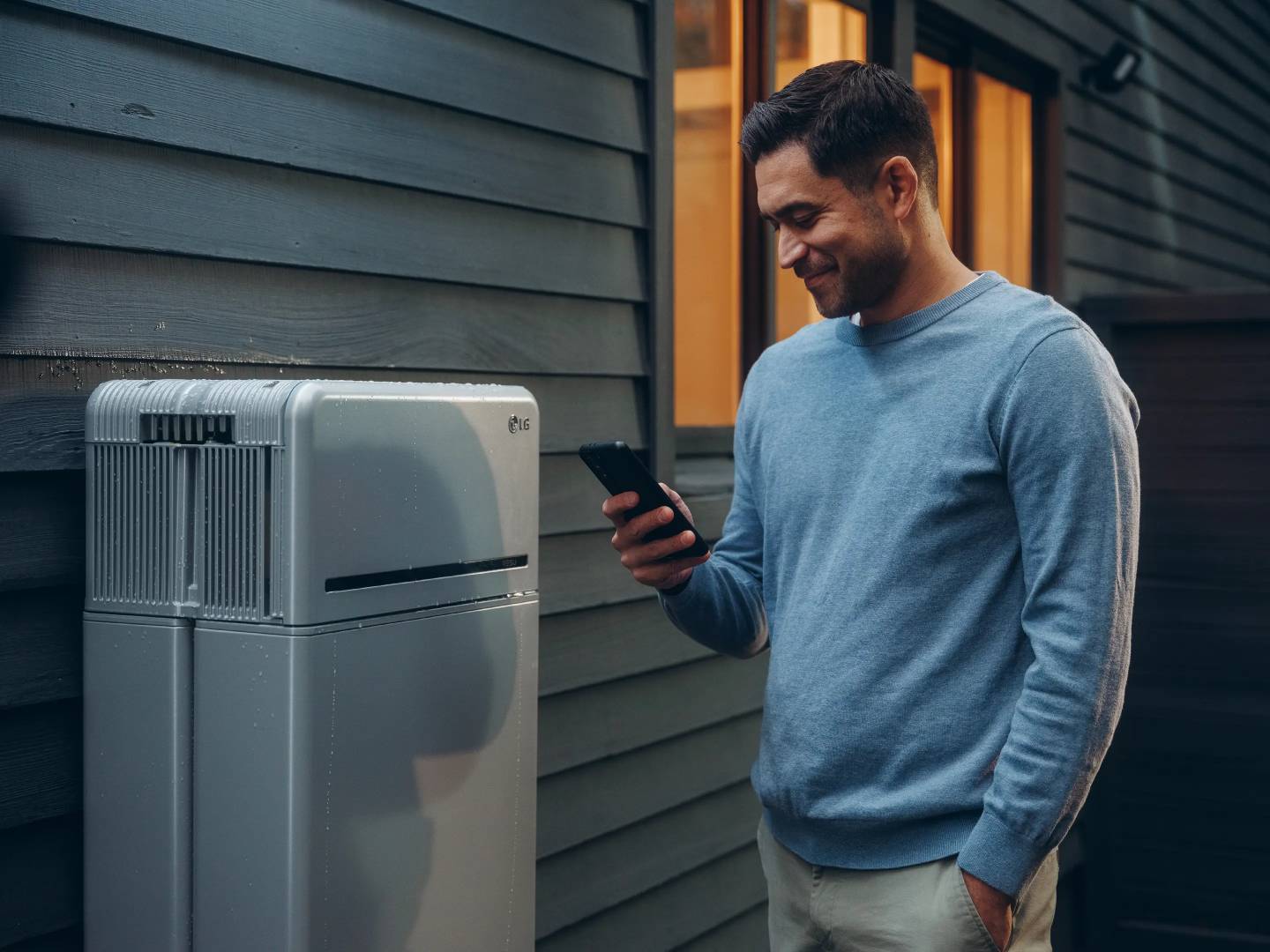
More predictable bills
Avoid unexpected energy bills and expensive peak hours pricing by pairing solar panels with battery.
A cleaner future
Use more of the energy your solar panels produce, and rely less on power from the grid.

Seamless integration
Automatically capture and store excess solar energy during the day for use at night or during outages.
Why Choose Us?
Solar Panels FAQs
1How do solar panel systems work?
A home solar panel array is made up of components that all work together to convert solar energy into usable energy for your lights, appliances and devices.
1. Solar panels Solar panels are made of photovoltaic cells that convert sunlight to direct current electricity (DC electricity). As long as the sun ray’s are making contact with your roof, your panels are converting solar radiation into DC electricity. Even when it’s cloudy, you can still expect your solar panels to produce 10% to 25% of their normal output. But your electricity isn’t ready just yet. You’ll need an inverter to get the kind of power you need to turn the lights on.
2. Inverter The inverter takes the DC electricity produced by your solar panels and turns it into alternating current electricity (AC electricity). It’s typically installed on an exterior wall of your house, or in the garage.
3. Main electric service panel Solar electricity from your inverter flows to the electrical panel, and then into your home where it powers your lights and appliances. If your solar panels generate more solar power than you use, the excess power will flow to the utility grid. Even better? You might even earn energy credits from your local utility for the power you send.
4. TSBA meter Your TSBA meter monitors your solar panels and overall system production, sending the information to us through a wireless signal. Since it tracks your energy production 24/7, it will automatically alert TSBA if it detects problems or irregularities. That way, we can make sure your solar panels and entire system are in the very best shape without you ever having to lift a finger.
5. Utility meter When your solar panels produce more than you need, the excess energy is sold back to your utility and credited to your monthly electric bill. When you need more energy than your solar panels can produce, your home will automatically pull the energy from your utility. Your utility meter measures how much energy comes from and goes to the grid.
1. Solar panels Solar panels are made of photovoltaic cells that convert sunlight to direct current electricity (DC electricity). As long as the sun ray’s are making contact with your roof, your panels are converting solar radiation into DC electricity. Even when it’s cloudy, you can still expect your solar panels to produce 10% to 25% of their normal output. But your electricity isn’t ready just yet. You’ll need an inverter to get the kind of power you need to turn the lights on.
2. Inverter The inverter takes the DC electricity produced by your solar panels and turns it into alternating current electricity (AC electricity). It’s typically installed on an exterior wall of your house, or in the garage.
3. Main electric service panel Solar electricity from your inverter flows to the electrical panel, and then into your home where it powers your lights and appliances. If your solar panels generate more solar power than you use, the excess power will flow to the utility grid. Even better? You might even earn energy credits from your local utility for the power you send.
4. TSBA meter Your TSBA meter monitors your solar panels and overall system production, sending the information to us through a wireless signal. Since it tracks your energy production 24/7, it will automatically alert TSBA if it detects problems or irregularities. That way, we can make sure your solar panels and entire system are in the very best shape without you ever having to lift a finger.
5. Utility meter When your solar panels produce more than you need, the excess energy is sold back to your utility and credited to your monthly electric bill. When you need more energy than your solar panels can produce, your home will automatically pull the energy from your utility. Your utility meter measures how much energy comes from and goes to the grid.
2Do home solar panels have a warranty?
Our solar panels and all of our solar equipment is backed by factory warranties. On top of that, our monthly solar panel lease plan and prepaid solar panel plan (also known as a solar PPA) come with 24/7 proactive monitoring and free maintenance. If we detect that your rooftop solar panels or solar battery aren't performing optimally, we'll dispatch a specialist to repair your solar panels, ensuring they're back to full capacity without any effort on your part. This benefit distinguishes TSBA from other companies offering solar panels and solar storage.
1What is the process to install solar panels?
Once approved for a solar installation, your property will undergo a site assessment, and an expert technician will schedule a visit with you to confirm the design of your solar panels and full solar energy system.
After that, our Solar Design Experts will make any necessary adjustments to the design of your solar panels and get your final approval. Once it’s approved, we’ll submit your design to the city for permitting, which can take up to eight weeks. From there, either TSBA or one of our local certified partners will install your solar panels. We only partner with top-rated solar installers, so you can rest easy knowing you’ll have the highest quality solar installation available.
When your installation is finished, the city or county will perform a final inspection of your system. Once it’s approved, it’ll be connected to the grid, and we’ll submit your documents to the utility company. After your utility company grants Permission to Operate (PTO), you’ll be all set to start powering your home with the sun.
After that, our Solar Design Experts will make any necessary adjustments to the design of your solar panels and get your final approval. Once it’s approved, we’ll submit your design to the city for permitting, which can take up to eight weeks. From there, either TSBA or one of our local certified partners will install your solar panels. We only partner with top-rated solar installers, so you can rest easy knowing you’ll have the highest quality solar installation available.
When your installation is finished, the city or county will perform a final inspection of your system. Once it’s approved, it’ll be connected to the grid, and we’ll submit your documents to the utility company. After your utility company grants Permission to Operate (PTO), you’ll be all set to start powering your home with the sun.